| Supervisor | Applications
|
Key Equipment
|
|---|---|---|
-
|
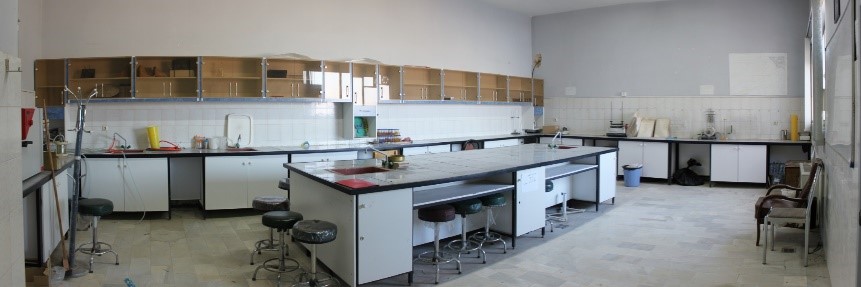
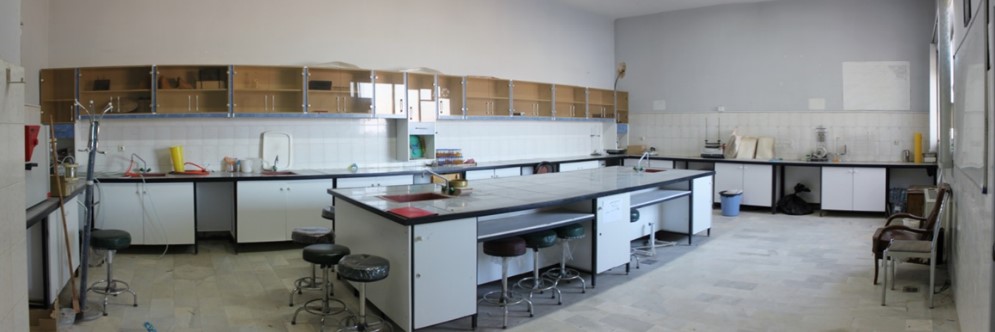
The General Irrigation Laboratory of the Department of Water Science and Engineering at the University of Kurdistan, with an area of 63 square meters and an interior equipped with benches, was established concurrently with the department's founding in 2006. The experiments that can be conducted in this laboratory cover topics related to the courses of General Irrigation, General Soil Science, and Soil-Water-Plant Relationships. In this laboratory, students become fully acquainted with the operational procedures and methodologies of the experiments. The laboratory is also utilized for research purposes, including conducting research projects and theses.
|
|
| Supervisor | Applications
|
Key Equipment
|
|---|---|---|
-
|
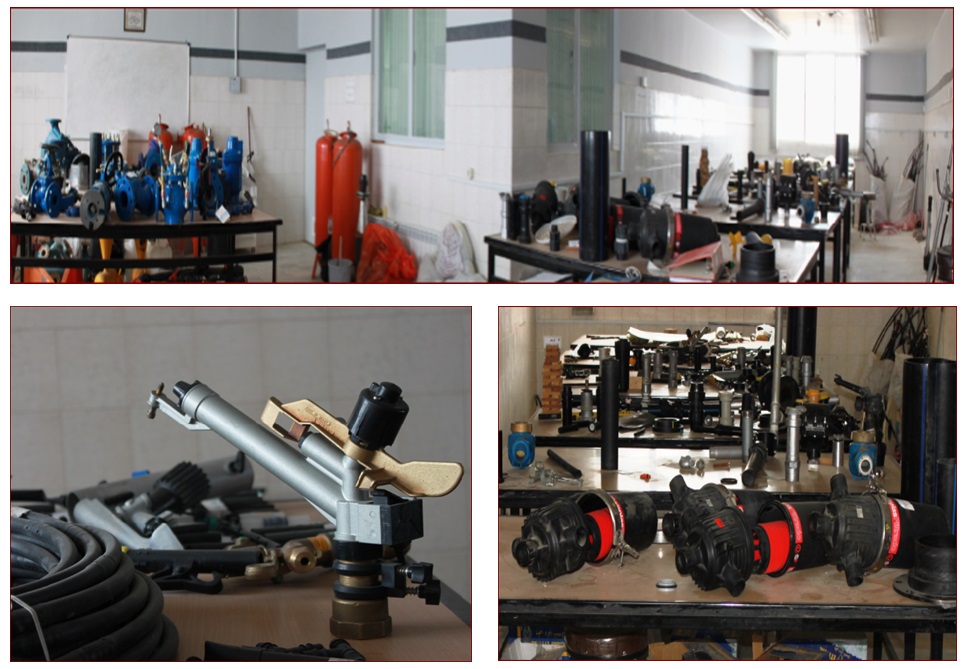
The Pressurized Irrigation Systems Laboratory of the Department of Water Science and Engineering at the University of Kurdistan was established in 2007 through the dedicated efforts of the department's faculty. This laboratory is one of the most essential facilities for students in the field of Water Science and Engineering, serving to support the practical sessions of all pressurized irrigation courses at every academic level. In this laboratory, students gain a comprehensive and practical understanding of various pressurized irrigation systems, their components and equipment, and their proper operation and maintenance. Given the importance of familiarizing students with different types of pressurized irrigation systems, efforts have been made to ensure the laboratory is comprehensive and equipped with up-to-date technology.
|
|
| Supervisor | Applications
|
Key Equipment
|
|---|---|---|
-
|
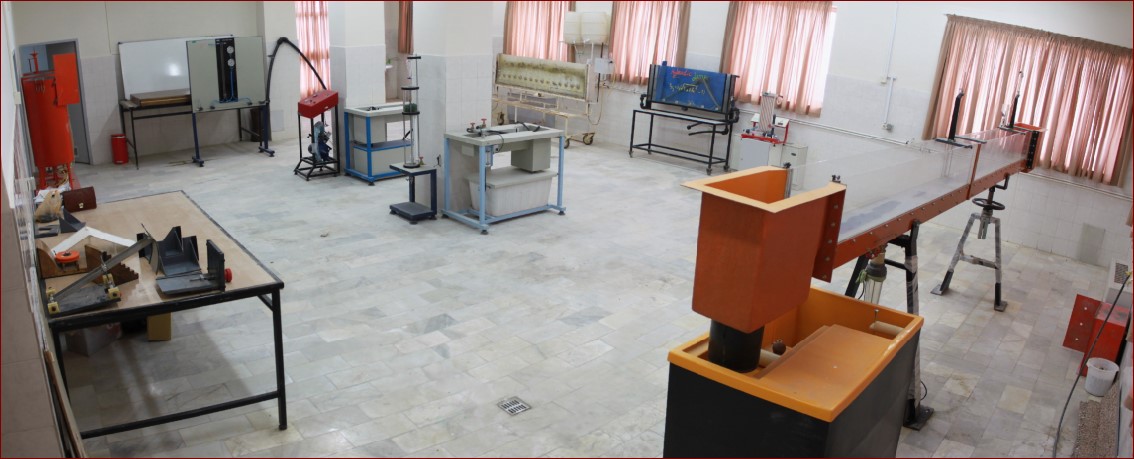
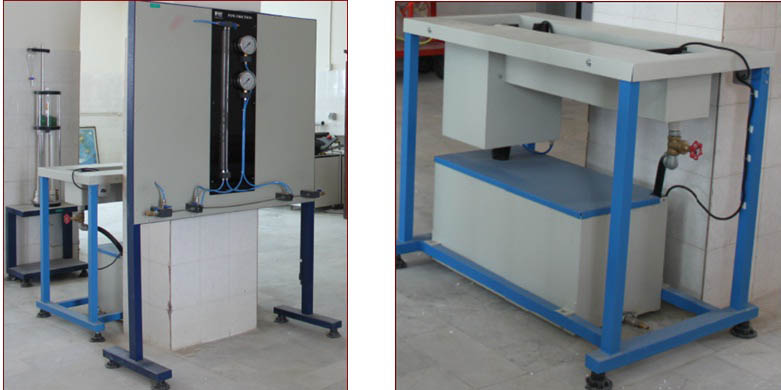
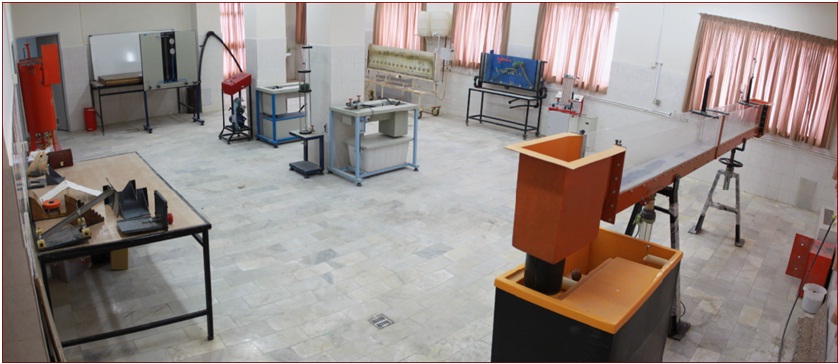
The Hydraulics Laboratory of the Department of Water Science and Engineering at the University of Kurdistan was equipped and became operational in 2014. The devices and equipment available in this laboratory allow students to observe the principles, concepts, and theories of flow in pressurized conduits and open channels as presented in their theoretical courses, and to compare the results obtained from practical experience with theoretical concepts. The laboratory is divided into two sections: Hydraulics and Open-Channel Hydraulics, where flow in pressurized conduits and open channels is analyzed based on the available facilities in each section.
|
|
| Supervisor | Applications
|
Key Equipment
|
|---|---|---|
-
|
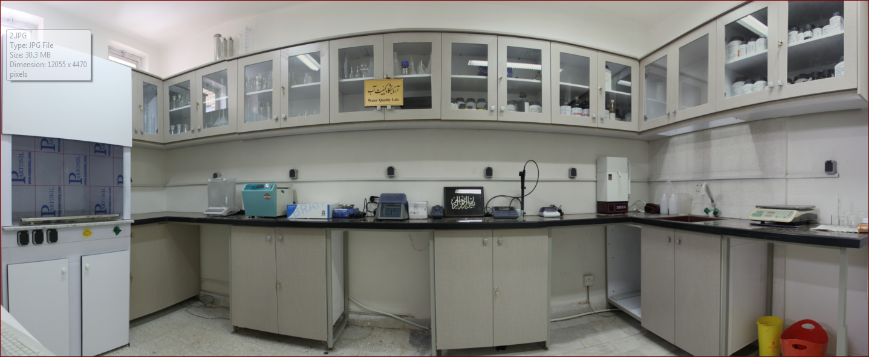
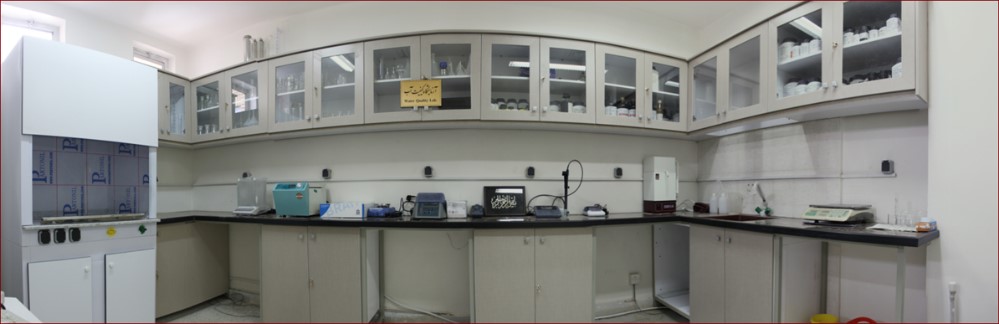
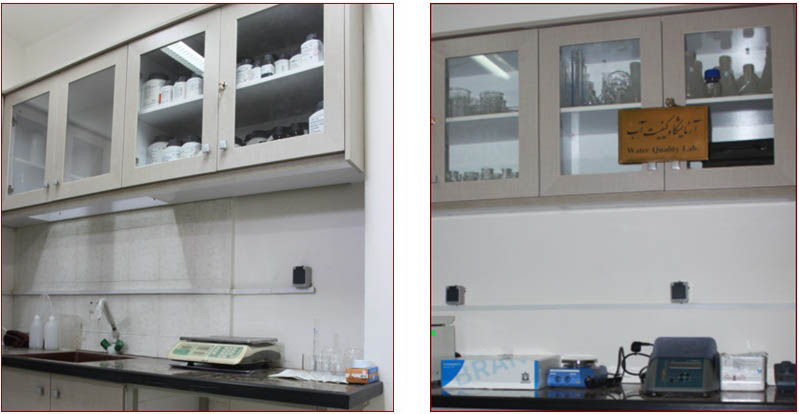
Today, due to the scarcity of water resources, it is necessary to utilize unconventional water of lower quality for agricultural purposes. The physical and chemical quality of water affects soil properties, plant growth, and its quantitative and qualitative yield. Therefore, monitoring the physical and chemical properties of water is essential. The Water Quality Laboratory of the Department of Water Science and Engineering at the University of Kurdistan was established in October 2015. The educational objectives for establishing this laboratory include conducting the practical sessions for the Water Quality course at the undergraduate and graduate levels. In addition to its educational goals, the Water Quality Laboratory is equipped for conducting scientific research for Master's theses, research projects, and other scholarly work.
|
|
Supervisor
|
Applications
|
Key Equipment
|
|---|---|---|
-
|
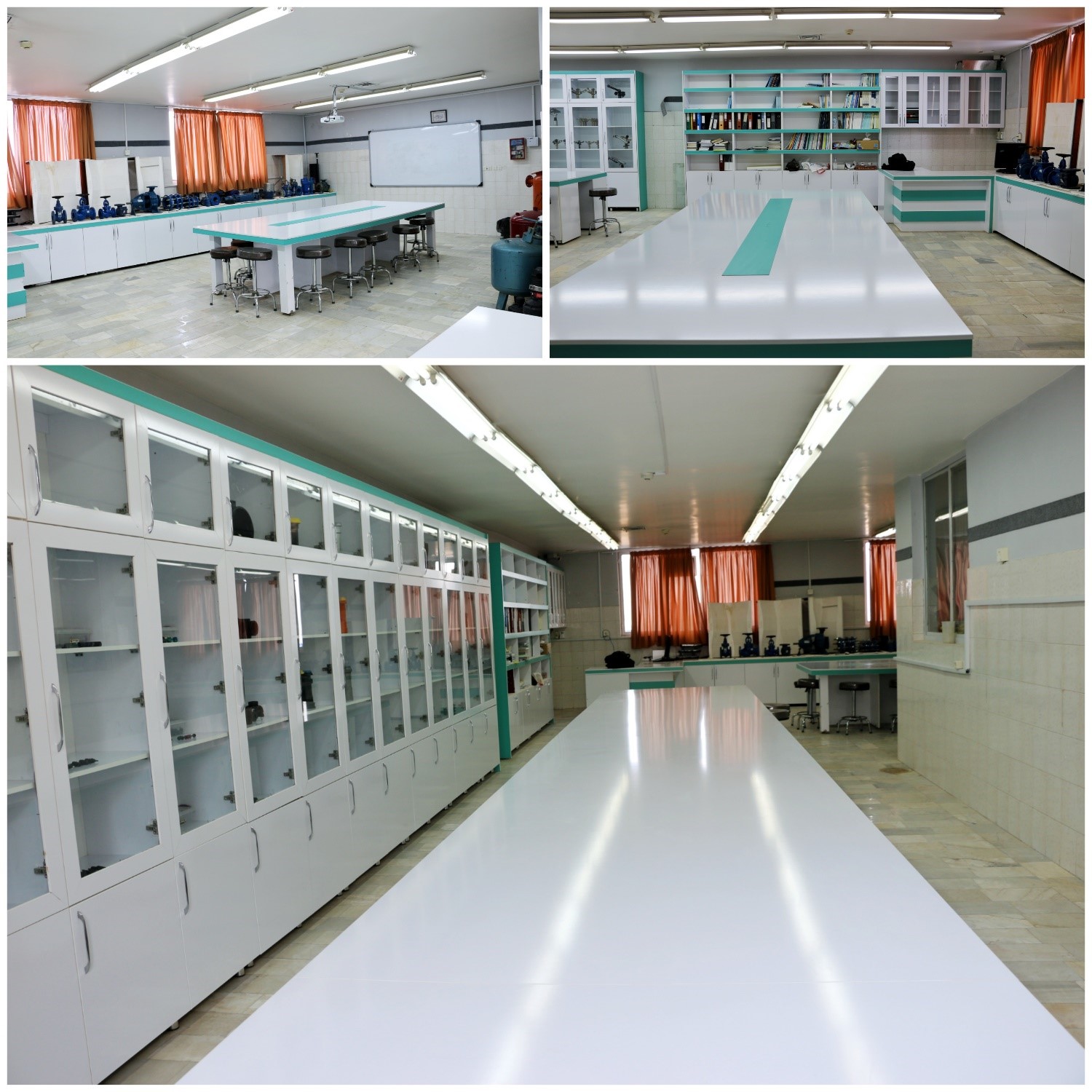
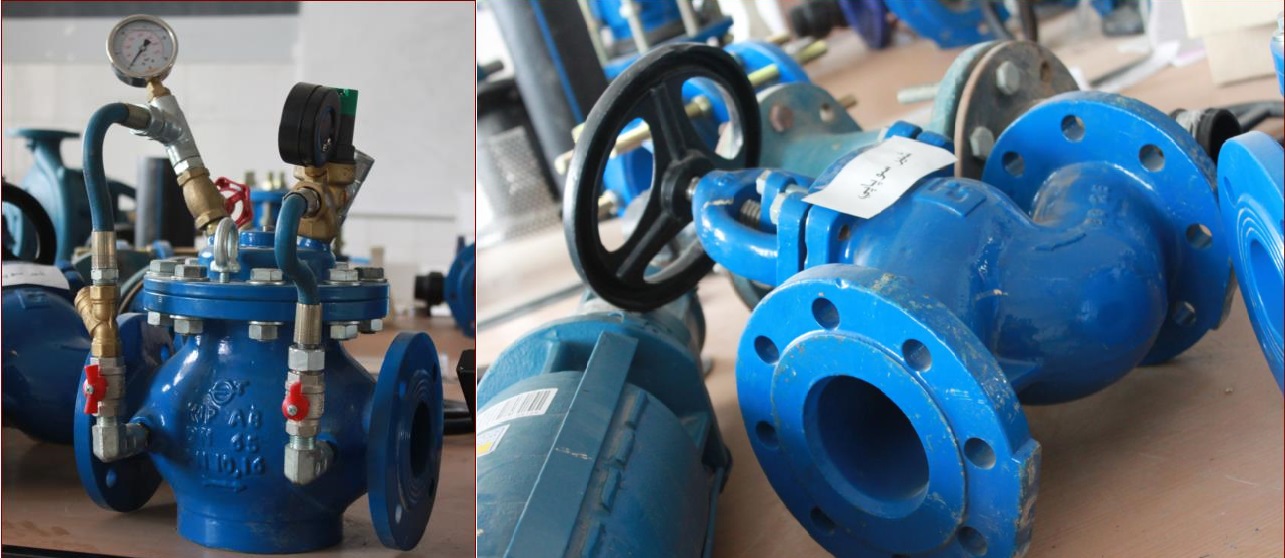
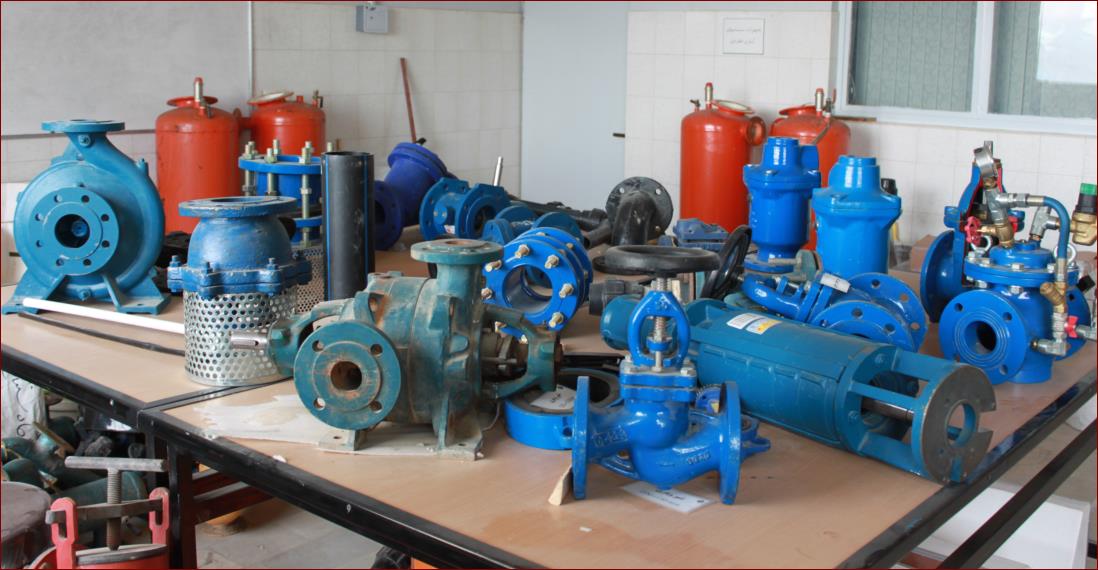
The Pump and Hydromechanical Laboratory of the Department of Water Science and Engineering at the University of Kurdistan was established in 2007. The purpose of creating this laboratory is to familiarize undergraduate students in Water Science and Engineering with various types of pumps, pump components, flow control valves, flow regulation valves, air valves, different pipe materials, and other fittings used in water supply lines. Undergraduate students make particular use of this laboratory for the courses "Pumps and Pumping" and "Water Supply Network Design." Additionally, graduate students in the department utilize this laboratory as relevant to their coursework. Familiarizing students with hydromechanical equipment, combined with field visits to water conveyance systems and pumping stations, has yielded highly positive results in their comprehension and learning. Some of the equipment students become acquainted with in this laboratory include: Various types of pump impellers, foot valves, gate valves, butterfly valves, globe valves, check valves, dismantling joints (D.J.), strainers, steel pipes, cast iron pipes, polyethylene pipes, fiberglass pipes, single-chamber single-orifice air valves, single-chamber double-orifice air valves, and pressure regulating valves.
|
|
| Supervisor | Applications
|
Key Equipment
|
|---|---|---|
-
|
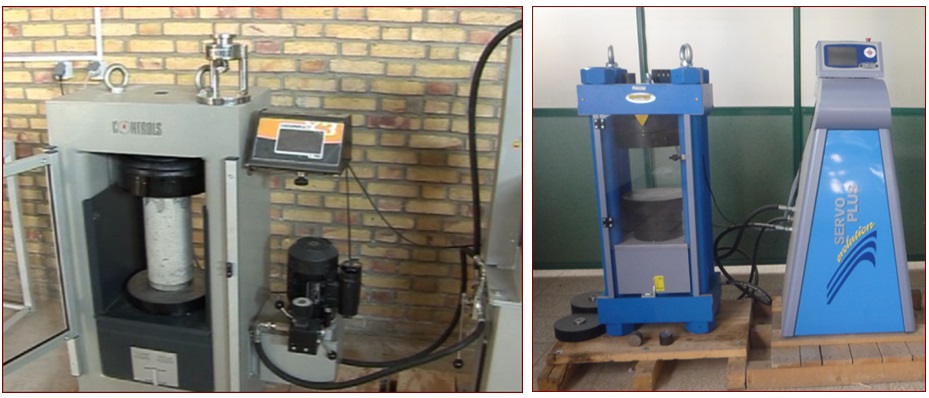
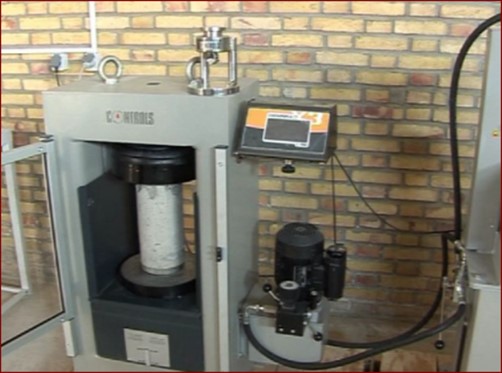
The Construction Materials and Methods Laboratory of the Department of Water Science and Engineering at the University of Kurdistan was established and equipped in 2015. Based on the available facilities and equipment, materials in this laboratory are categorized into four sections: brick, gypsum and lime, cement and concrete, and stone. In each section, the properties and characteristics of the respective materials are investigated. This laboratory has the capacity to fulfill the educational objectives for undergraduate students as well as to support research activities and projects. Students learn methods for improving the quality of common construction materials, technology transfer for new materials, lightweight and thermally insulated building materials for reducing earthquake hazards and energy consumption, addressing quality issues, and providing practical guidelines for enhancing material quality. Brick Tests: Determination of true and bulk density, determination of water absorption percentage and moisture content, determination of compressive and flexural strength. Gypsum and Lime Tests: Determination of lime impurity percentage, determination of compressive and flexural strength of lime, determination of the fineness of building gypsum, determination of the bulk density of building gypsum, determination of the normal consistency of building gypsum, determination of the setting time of building gypsum, determination of the compressive and flexural strength of gypsum. Cement and Concrete Tests: Determination of the normal consistency of cement-sand mortar, determination of the setting time of cement paste, determination of the compressive strength of cement, determination of the flexural strength of cement mortar, determination of the compressive strength of concrete. Stone/Aggregate Tests: Determination of the absolute specific gravity of aggregates, determination of compact and loose bulk density, determination of the abrasion resistance of aggregates, sieve analysis of sand and gravel, determination of sand equivalent value, determination of porosity, void ratio, and water absorption percentage of stone samples, determination of the impact resistance of stone materials; Los Angeles abrasion test to determine the relative quality and suitability of aggregates by measuring their resistance to impact and abrasion. |
|

| Supervisor | Applications
|
Key Equipment
|
|---|---|---|
-
|
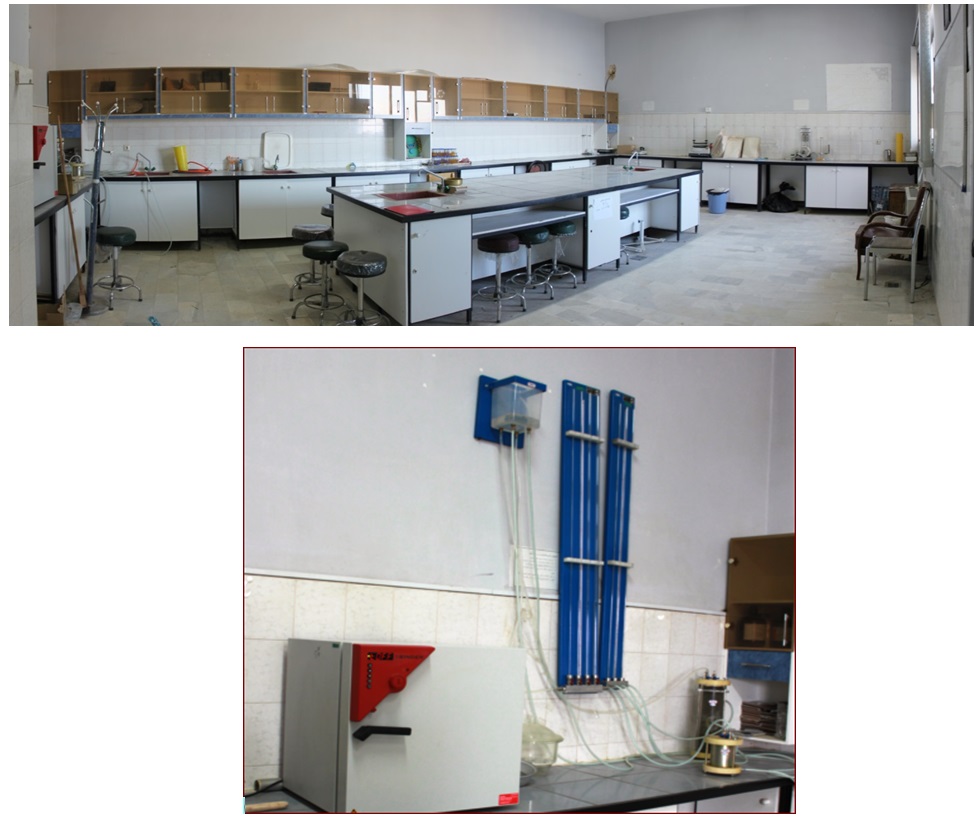
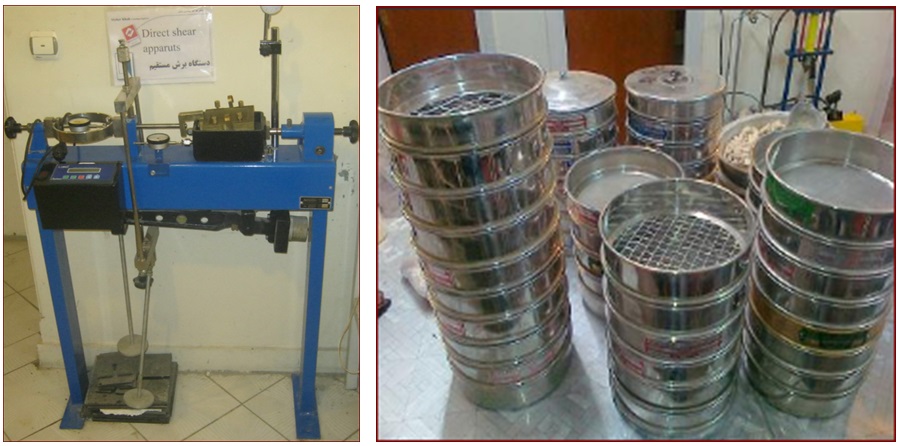
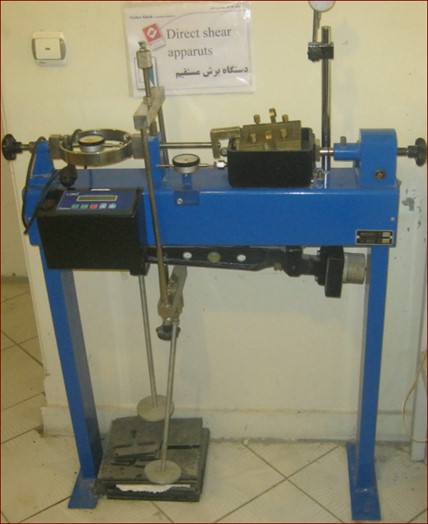
The Soil Mechanics Laboratory of the Department of Water Science and Engineering at the University of Kurdistan was established and equipped in 2015. This laboratory is capable of fulfilling the educational objectives for undergraduate students as well as supporting research activities and projects. In the Soil Mechanics Laboratory, students become familiar with concepts related to the engineering and mechanical properties of soil and how to evaluate these properties to determine the strength and stability of materials at the construction sites of various hydraulic structures. They learn the quantitative methods for this evaluation through hands-on experiments. After completing the necessary training in this laboratory, students will be able to participate in the design of hydraulic structures in the technical offices of contractors and consultants, as well as at construction sites, and to perform soil mechanics tests in geotechnical laboratories.
|
|
| Supervisor | Applications
|
Key Equipment
|
|---|---|---|
-
|
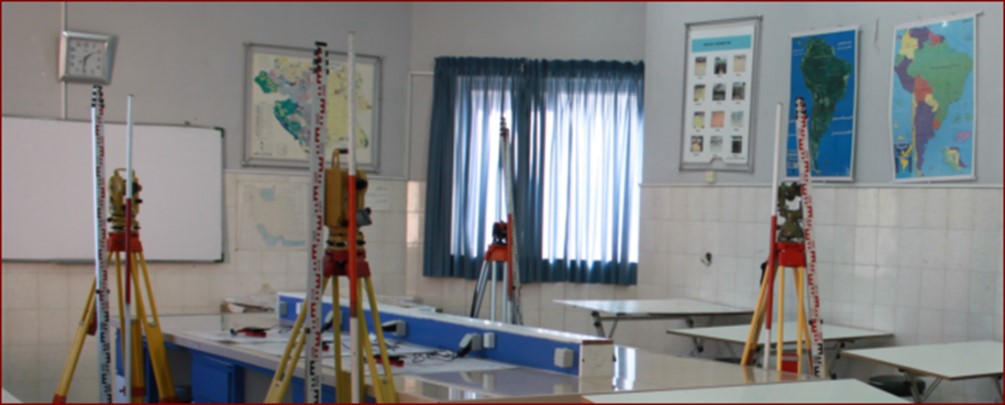
With the establishment of the department in 2006, the initial steps for creating the Surveying Laboratory of the Department of Water Science and Engineering at the University of Kurdistan were taken with the purchase of basic equipment, and it has been gradually developed since. For the purposes of this course, practical topics are first taught in the faculty's computer lab (which is equipped with 15 computers), after which students carry out fieldwork in designated groups. The educational topics covered for students include familiarization with surveying instruments and equipment, taping and alignment, measuring elevation differences between two points with a level, transferring a benchmark from a known point to a location near the project, preparing longitudinal and cross-sectional profiles, land consolidation and subdivision, land traversing and preparation of planimetric maps, creation of topographic maps, setting out and controlling the routes of highways and water conveyance systems, design and implementation of land leveling operations, division and subdivision of agricultural lands, collaboration in the design of irrigation and drainage networks for agricultural land irrigation systems, training on the total station, and using GPS for collecting elevation points.
|
|
| Supervisor | Applications
|
Key Equipment
|
|---|---|---|
-
|
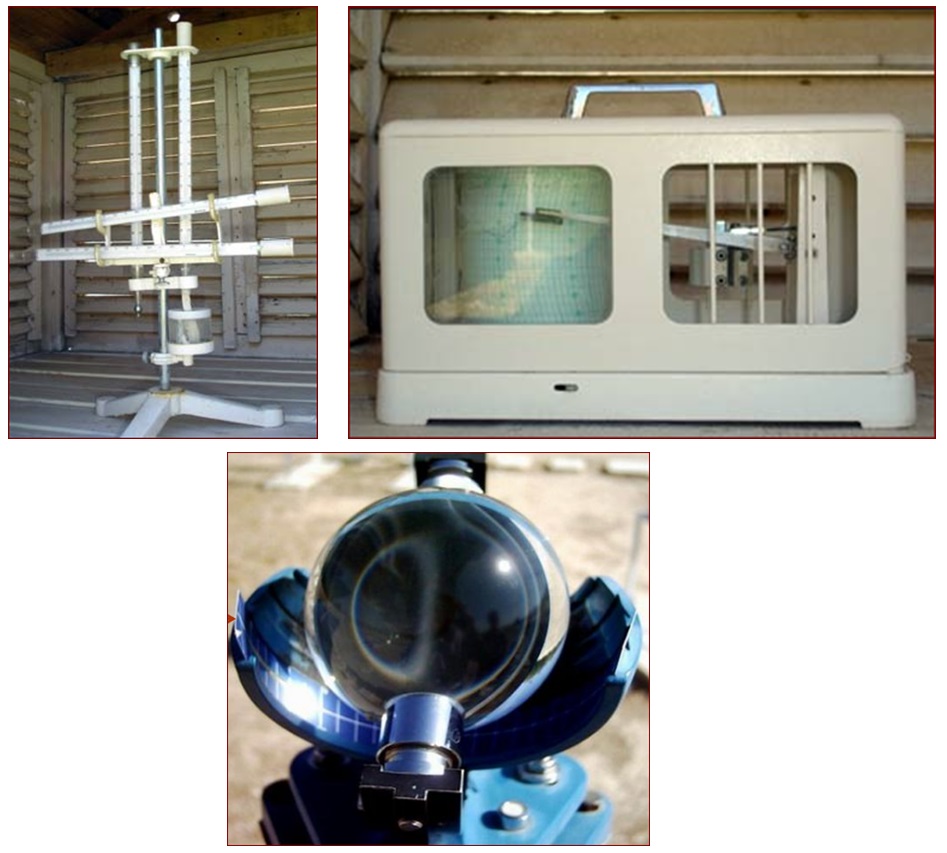
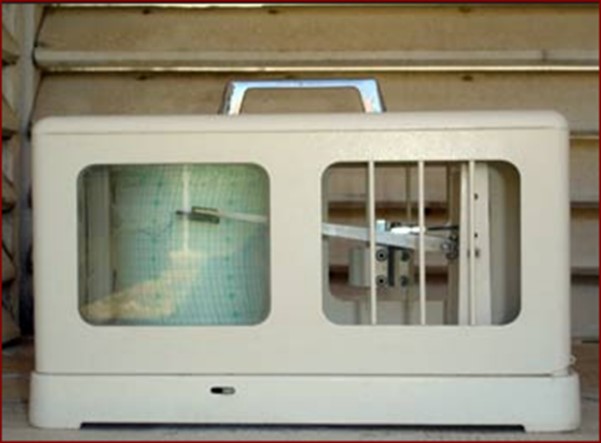
The Meteorology Laboratory of the Department of Water Science and Engineering at the University of Kurdistan was established and equipped in 2015 in collaboration with and with the assistance of the General Directorate of Meteorology of Kurdistan Province. This laboratory is capable of fulfilling the educational objectives for undergraduate students for the approved syllabus of the "Meteorology and Climatology Operations" course for agriculture students. It is equipped with reading instruments and recording devices for measuring various atmospheric variables, including air temperature, soil temperature, radiation intensity, sunshine duration, air pressure, air humidity, wind direction, wind speed, pan evaporation, and precipitation amount.
|
|
| Supervisor | Applications
|
Key Equipment
|
|---|---|---|
-
|
Hydroinformatics, as a relatively new science, is the application of various sciences derived from information technology to the field of water engineering. In hydroinformatics, the application of communication and information technologies, mathematical and statistical computations, computer software, artificial intelligence, data analysis, optimization, and decision support systems in various sectors of water science and engineering is addressed.
The Hydroinformatics Laboratory aims to provide the practical sessions for courses such as "Introduction to Specialized Software" and "Computer Programming," as well as a portion of the practical units for many of the department's specialized courses in the modeling and simulation of processes related to irrigation and drainage, water resources, agricultural meteorology, and hydraulic structures. Greater familiarity of water science and engineering students with the practical applications of hydroinformatics and specialized software in their field can prepare them for the professional workplace (consulting engineers, research centers, and related organizations). The Hydroinformatics Laboratory is equipped with a number of computers on which various software for irrigation and drainage, river engineering, water resources engineering, hydrology and meteorology, mathematical modeling, GIS and RS, and hydraulic engineering are installed. The Water Research Hall (Shed) was established in 2016, providing a complete and comprehensive facility to achieve various educational and research objectives related to water engineering. The main activity of the hall is the construction of physical models used in student theses, which require space and a water storage pool or tank. Creating such facilities is not feasible in laboratory spaces that are primarily for teaching purposes. It should be noted that the models are built according to the needs of different thesis topics and are preserved in a suitable space at the end for reuse by future students or for other appropriate topics. |
-
|
| Supervisor | Applications
|
Key Equipment
|
|---|---|---|
-
|
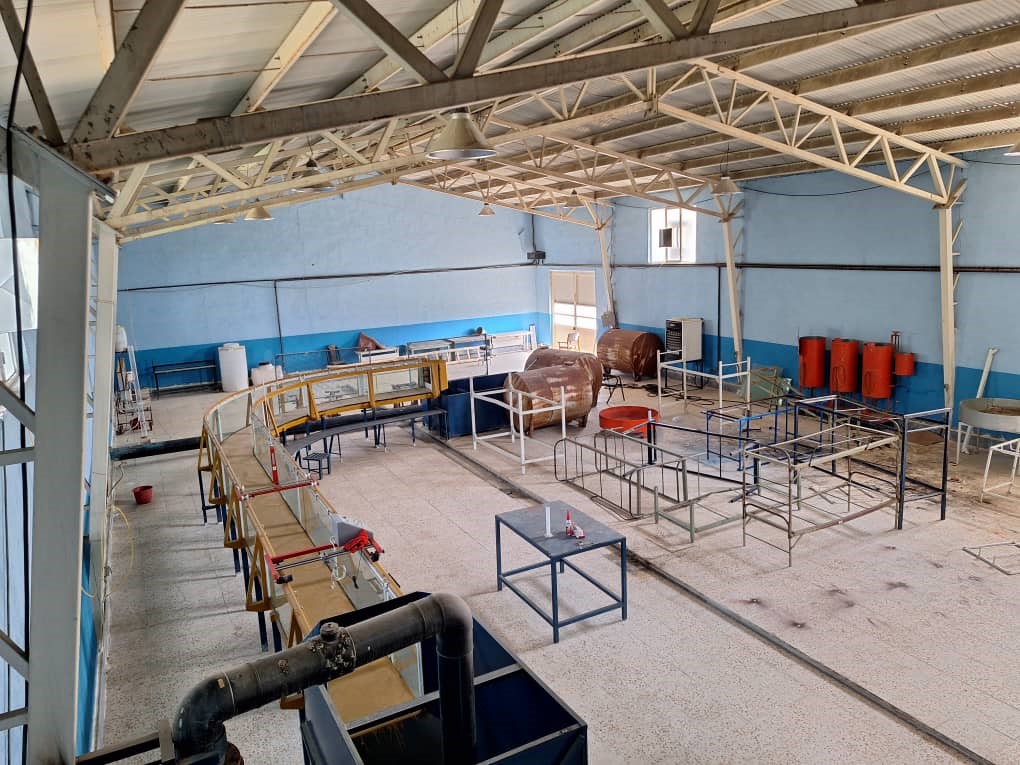
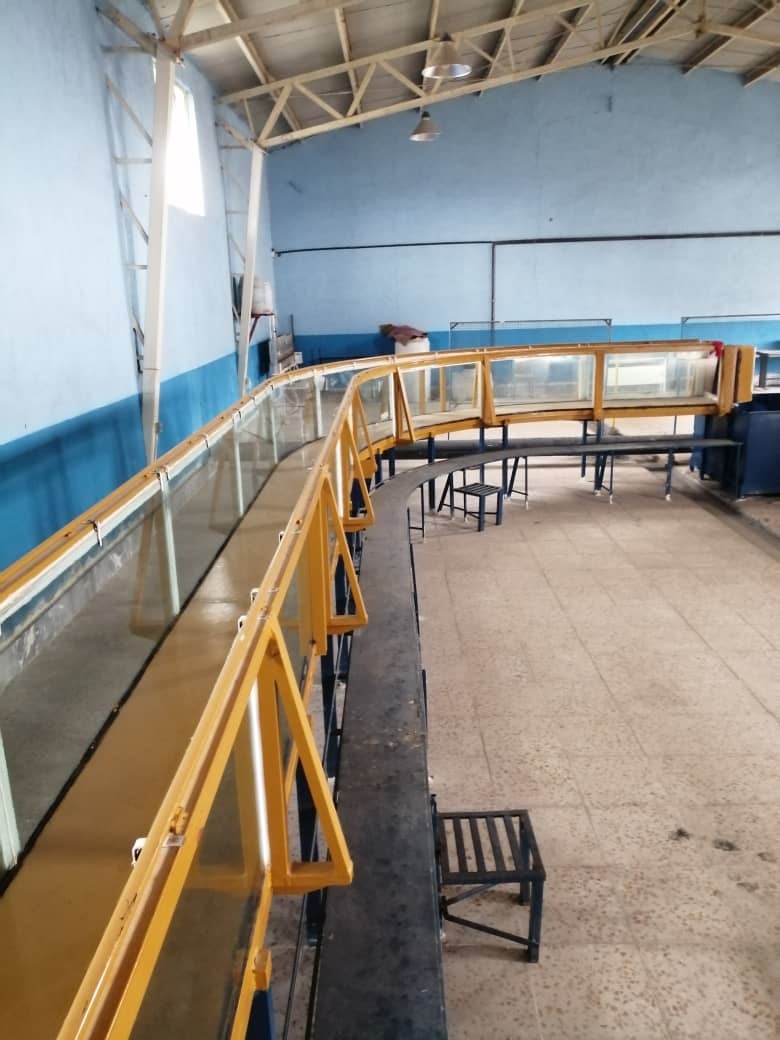
The Water Research Laboratory (Hall) was established in 2016, providing a complete and comprehensive facility to achieve various educational, research, and investigative objectives related to water engineering. The primary activity of the hall is the construction of physical models used in student theses. These models require significant space and a water storage pool or tank, and creating such facilities within standard laboratory spaces, which are primarily educational in nature, is not feasible. It is noteworthy that the models are custom-built according to the specific requirements of different thesis topics and are subsequently preserved in a suitable space for potential reuse by future students or for other relevant projects.
|
The hall contains a large flume for modeling sediment-laden flows, simulating water flow in open channels, sediment transport and scouring, and the interaction effects between water and various hydraulic structures.
|